 Why Japan?
Why Is There No Tipping in Japan?
 Told by Sophie, your guide to Japan
In Japan, leaving a tip can get your money handed back to you. Sophie follows why: tax-included prices and full wages, why thank-you money goes in an envelope, the old "tea money" that once affected your room at an inn, the kokorozuke often given at the start of a stay, the new tip buttons now appearing in Japanese restaurants — and what to do if you visit.
Skip to the practical part: Tipping in Japan: what to do ↓
The full story
In this story
A Samurai Leaves a Tip
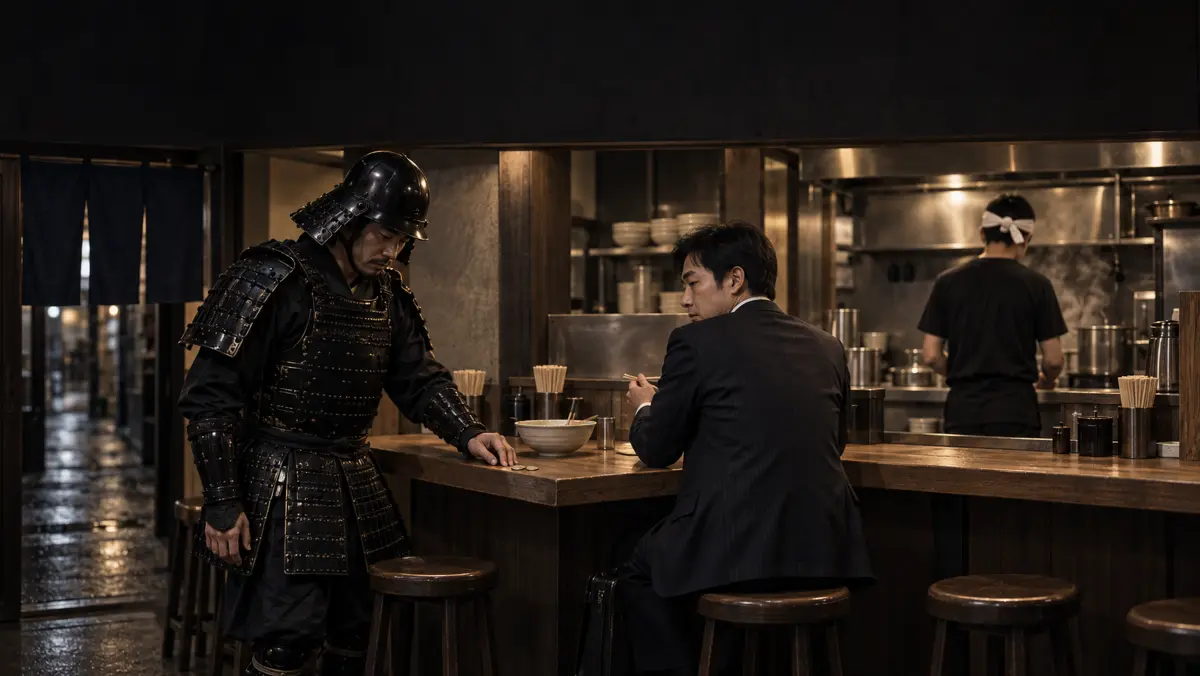
Picture a samurai finishing a bowl of ramen at a Tokyo counter. He leaves a few coins beside the bowl and walks out. He may not get far. A server could come after him, holding his money, thinking he forgot it. In the United States, a tip of around fifteen to twenty percent is commonly expected at a sit-down restaurant. In Japan, there is usually no tip at all, and the price on the menu is very close to what you pay.
The Price Is the Price

Japan's prices and wages also work differently. Since April 2021, prices for consumers have generally had to be shown with tax included. And Japan has no separate, lower minimum wage for people who work for tips. A server in Japan is paid at least the minimum wage, like anyone else. Good service is treated as part of the job, and part of the price. So money left on the table can feel less like a thank-you, and more like a mistake. The one charge that surprises visitors runs the other way: at many izakaya, a little dish you did not order, the otoshi, arrives first, and appears on the bill as a table charge.
Money in an Envelope
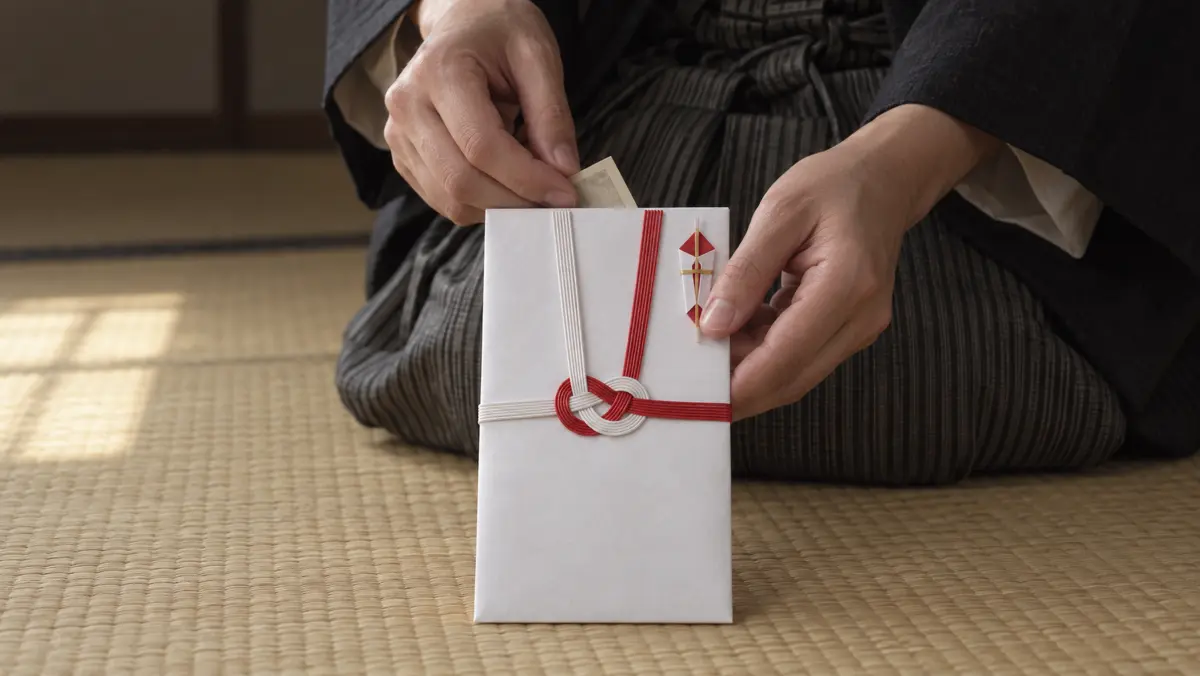
Yet Japan is not a country that never gives money as thanks. It simply rarely hands it over bare. Cash gifts at weddings and funerals go in special envelopes. Children receive New Year money in small decorated ones. Even a small repayment may go into a simple envelope, rather than being handed over bare. In Japan, the envelope can matter almost as much as the money.
Tea Money
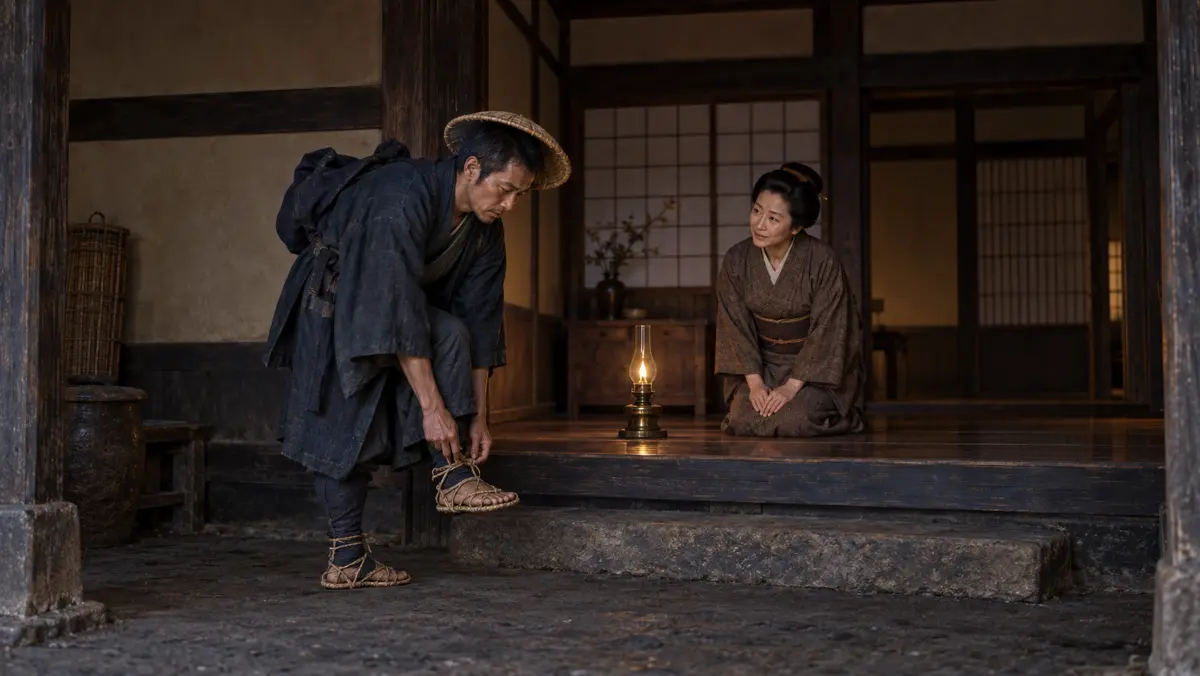
And Japan did once have something very like a tip. At inns in the 1800s, guests paid the room rate, and then something extra, called chadai. Tea money. It was not small, and it was not fixed. How much you gave could affect the room you got, and how you were treated.
The Campaign Against Tips
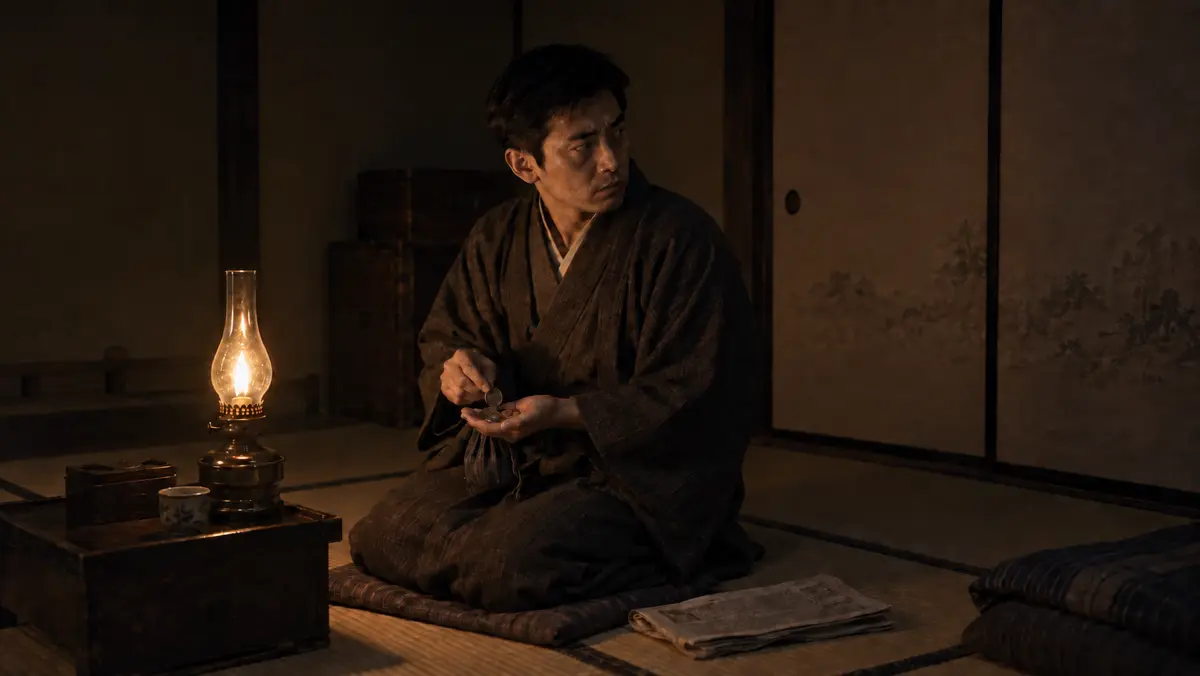
By around 1900, many people had had enough of it. Critics said tea money worked like a bribe, and that a traveler never knew the real price of a night. Newspapers and travel groups began campaigns to abolish it. Change was slow. In 1906, records from Hakone list only two inns there that had dropped tea money.
A Ticket and a Service Charge
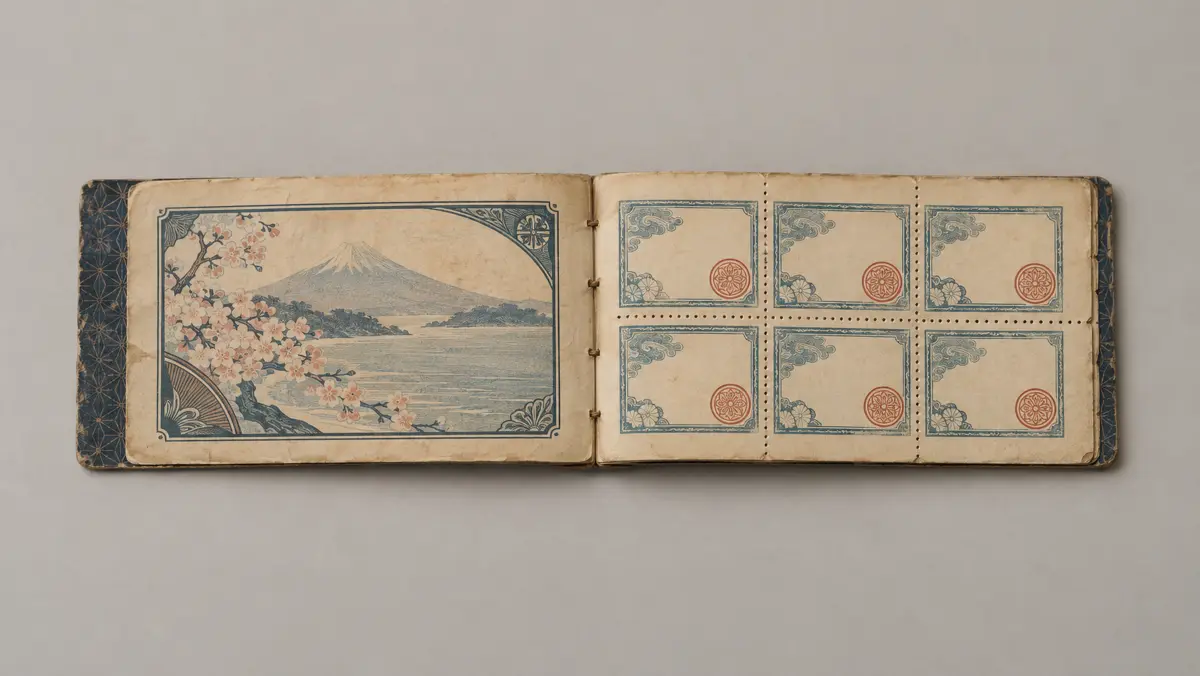
One important step was a ticket. In 1925, the Japan Tourist Bureau began selling travel coupons that included the inn at a fixed price, so travelers no longer had to guess how much tea money to add. Even so, the old custom faded slowly, over decades. In some hotels, guests had been asked for a ten percent tip, and over time it became a service charge on the bill. The extra charge did not vanish. It moved onto the bill.
The Kokorozuke
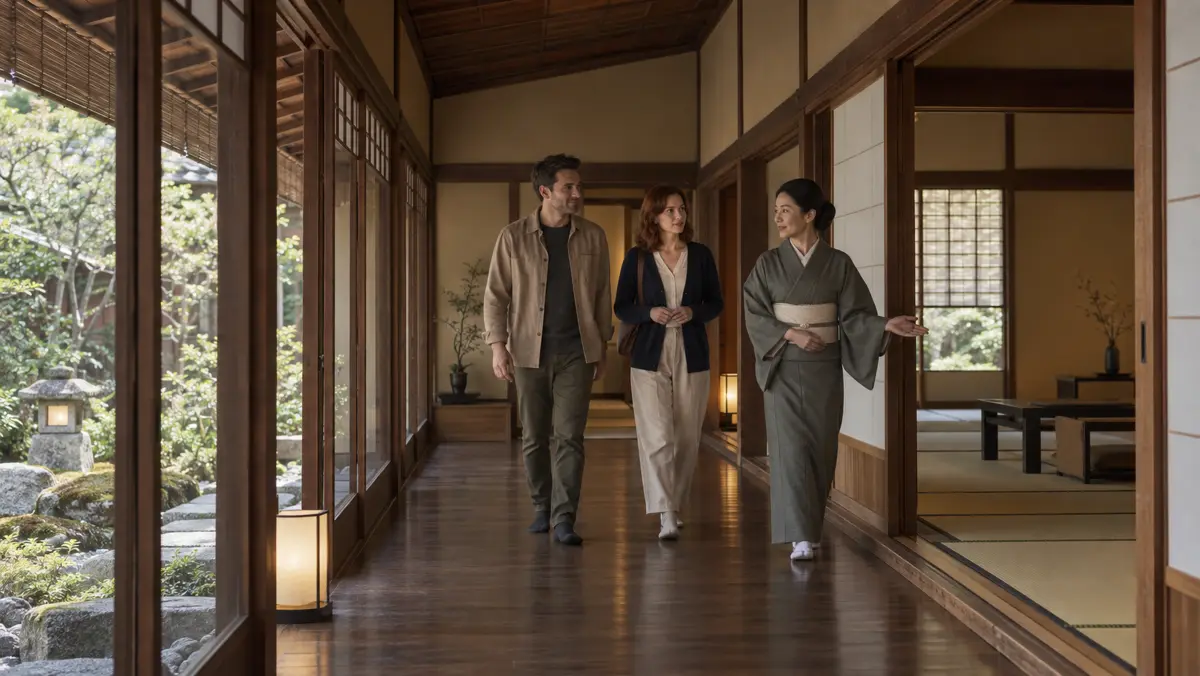
But one small custom survived. At some traditional inns, guests still hand the room attendant a kokorozuke, a little money folded into a small envelope, usually with a word of thanks. Many inns now politely refuse it, and no one is expected to give it. Some guests still do, especially for a special occasion, or a family that needs extra care.
Thanks in Advance
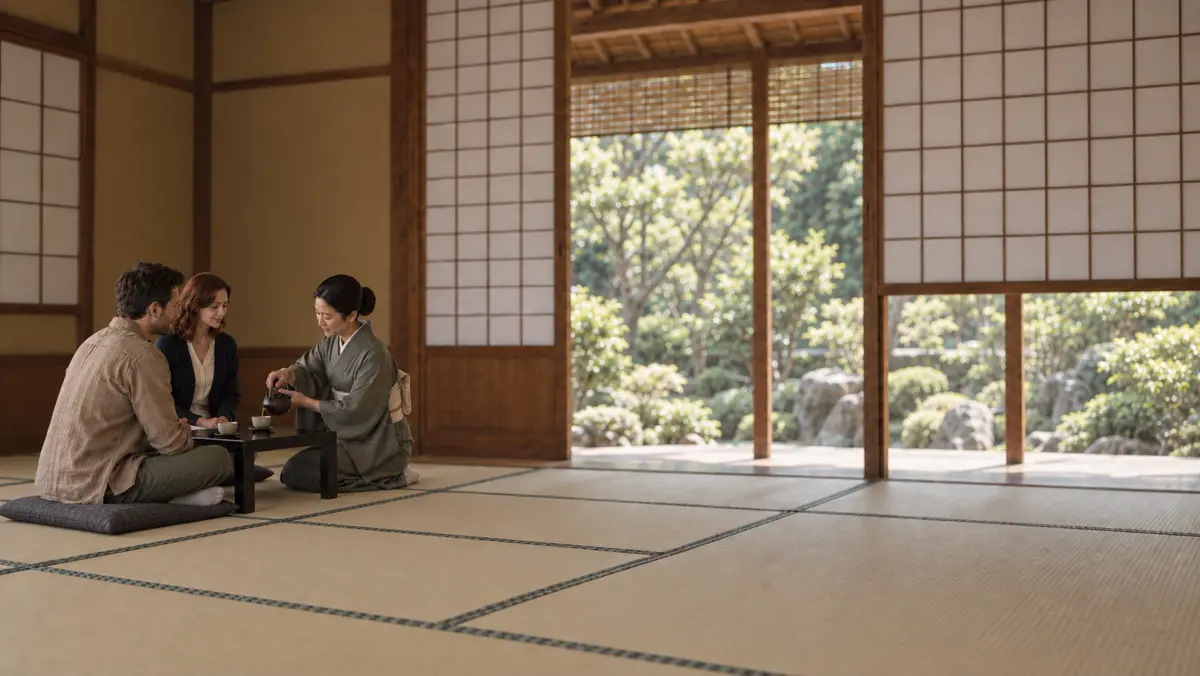
The timing can be surprising. A tip comes after the meal. A kokorozuke is often given near the start of a stay, when the attendant first shows you to your room. Then it is less a payment for what was done, and closer to saying: thank you, in advance, for looking after us.
Coming Back
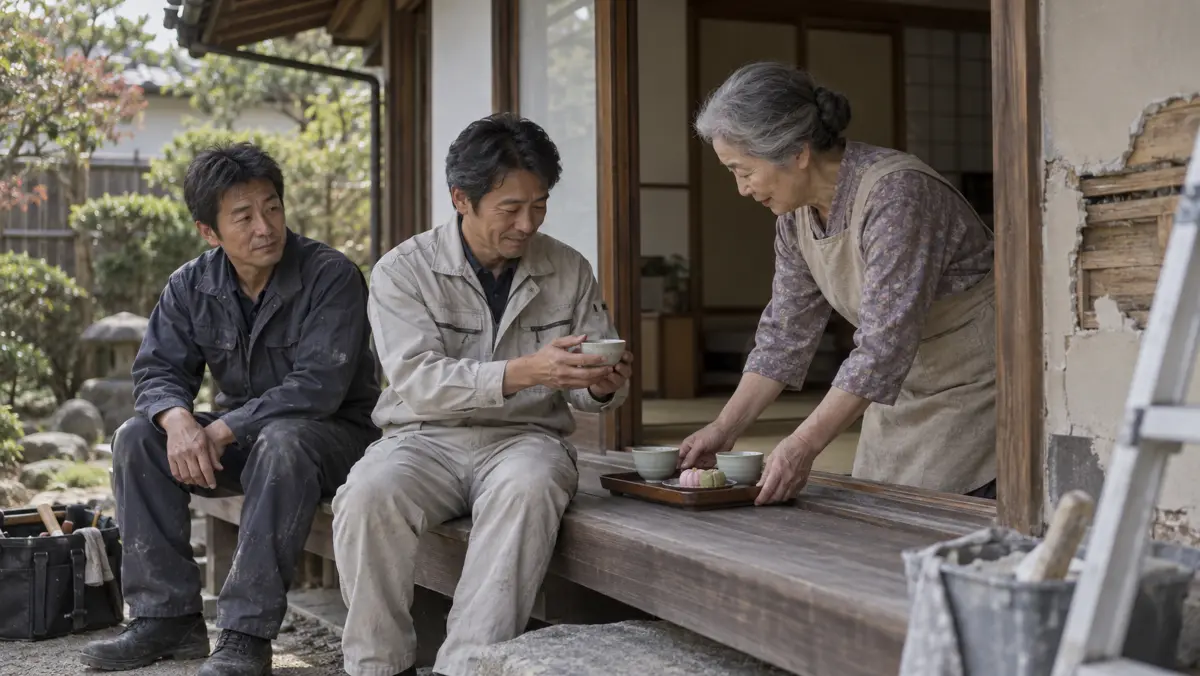
In everyday life, the same feeling usually comes without money. Many households offer tea and snacks to workers repairing the house. Customers bow and say thank you. Often, the best tip in Japan is simply coming back.
Visitors Who Want to Tip
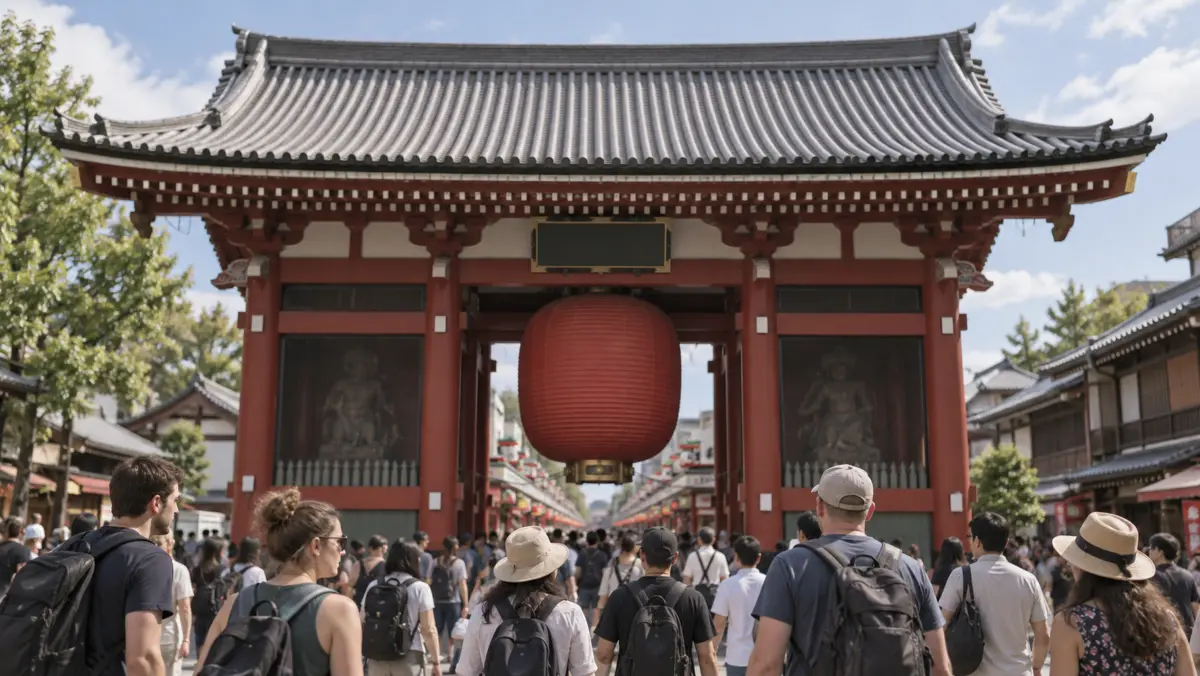
Now that quiet system is meeting the world. In 2025, Japan welcomed a record of about forty-three million foreign visitors, and many come from places where tipping is expected. Some say they feel uncomfortable leaving without giving anything. In Asakusa, one bar put out a tip box after visitors kept asking how to tip, and one guest left looking sad when the staff refused.
The Tip Button
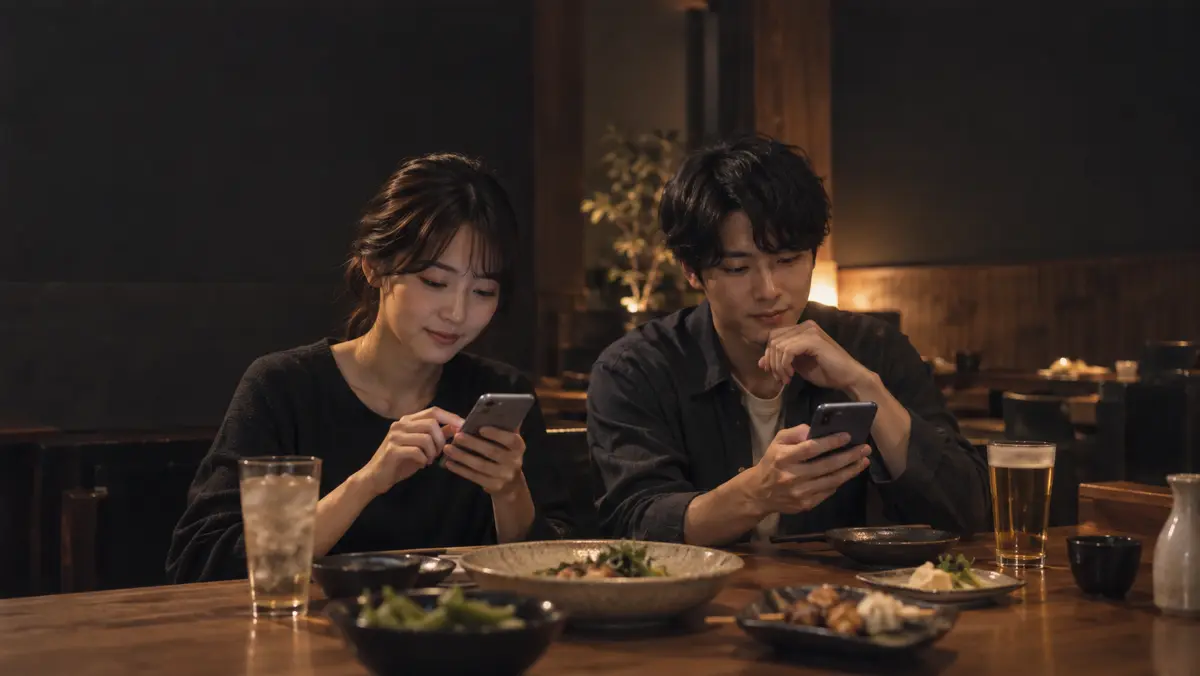
Technology is offering a new route. In 2025, a mobile ordering system used by about three thousand restaurants added an optional tip of up to twenty-five percent, paid to the restaurant. A separate feature lets customers send a little extra to a favorite member of staff, though each restaurant decides how much of it the staff actually receive. Supporters see a way to reward good work in a business short of hands and money. A tip button, in a country where a server might chase you down the street to return your coins.
Should Thanks Have a Price?
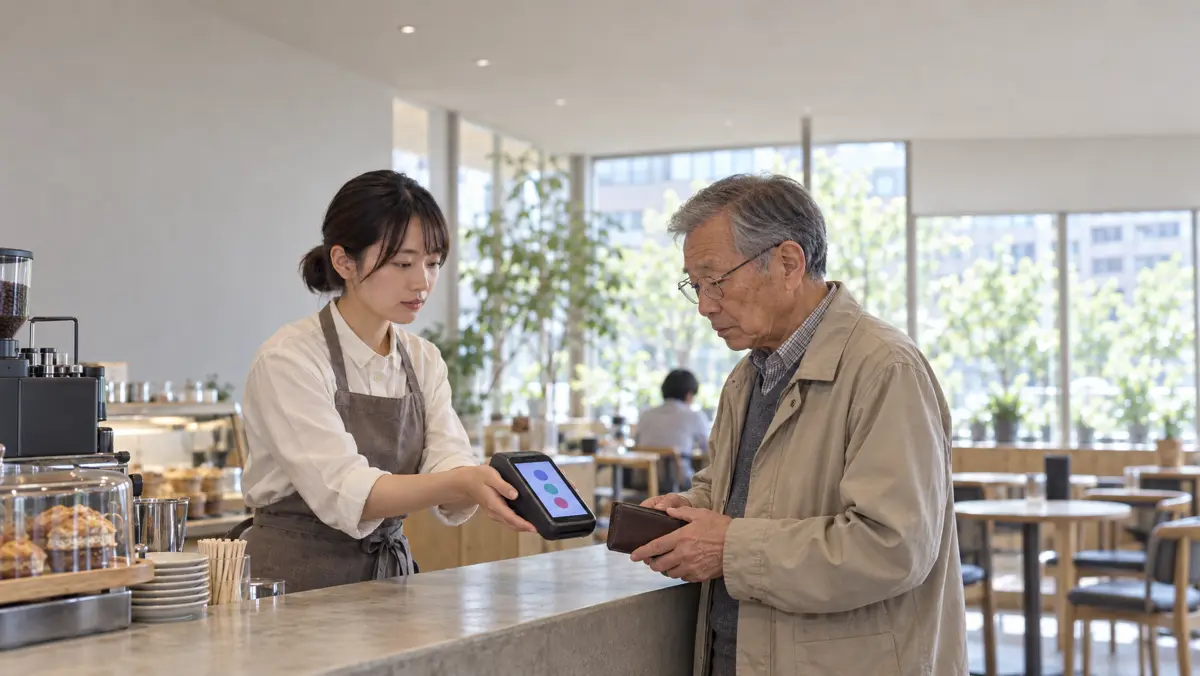
Others are uneasy. They worry that a tip which begins as a choice could slowly become expected, or come to be counted as part of what workers are supposed to earn. For now, in most places in Japan, the price on the menu is still the price, and a simple thank-you is still enough. Japan is deciding whether a thank-you should ever come with a number.
If you visit
Tipping in Japan: what to do
Until it decides, if you are visiting, a few things help. You do not need to leave anything on the table. On your way out, say gochisousama deshita: thank you for the meal. At an izakaya, the little dish that arrives first will be on the bill. At a ryokan, a kokorozuke is optional. If you do give one, put it in an envelope, never bare.
Where to see it
- Hakone, Kanagawa — Hot-spring inn town. In 1909 only two inns here had dropped “tea money,” the old tip at inns. Google Maps
Enjoyed the story? Sophie answers a new question about Japan every few days on YouTube.
Subscribe on YouTube
