 Why Japan?
Why Is Japan So Clean With So Few Trash Cans?
 Told by Sophie, your guide to Japan
Visitors to Japan say the hardest thing to find is a trash can, yet the streets stay remarkably clean. Sophie follows why: bins removed after the 1995 subway attack, a marshland that went without trash cans on purpose, students who clean their own schools, a city that sold even its ashes, the new bins now coming back — and where a visitor can actually put their trash.
Skip to the practical part: Where to put your trash in Japan ↓
The full story
In this story
- A Samurai Looking for a Trash Can
- Where the Bins Went
- Visitors Carry It Home
- Trash That Never Reaches the Street
- The Birthplace of "Carry It Home"
- No Bins on Purpose
- Students Who Clean Their Schools
- The Spotless Dressing Room
- Edo, the Recycling City
- Forty Kinds of Trash
- When the System Breaks
- The Bins Come Back
- Where to Put Your Trash in Japan
A Samurai Looking for a Trash Can
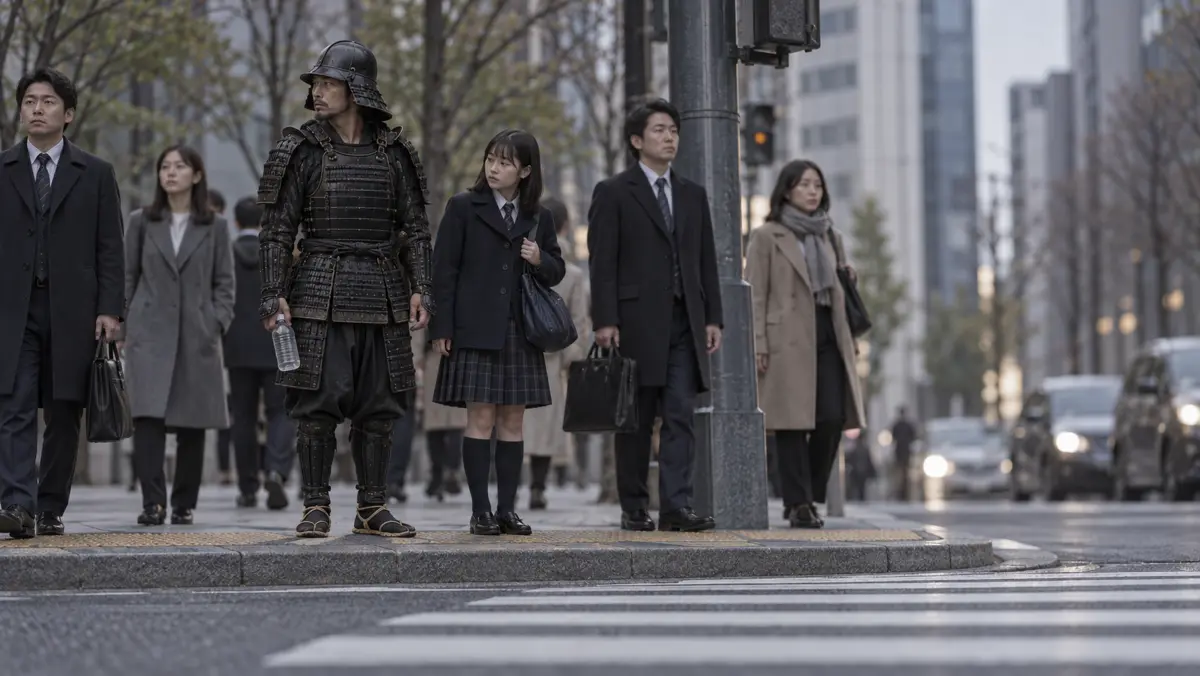
Picture a samurai in full armor on a Tokyo sidewalk, holding an empty plastic bottle, looking for a trash can. He could be walking for a while. Visitors know the feeling. In each of the tourism agency's last three yearly surveys of travelers leaving Japan, too few trash cans topped the list of problems. And yet look at the sidewalk under his feet. Not a wrapper on it.
Where the Bins Went
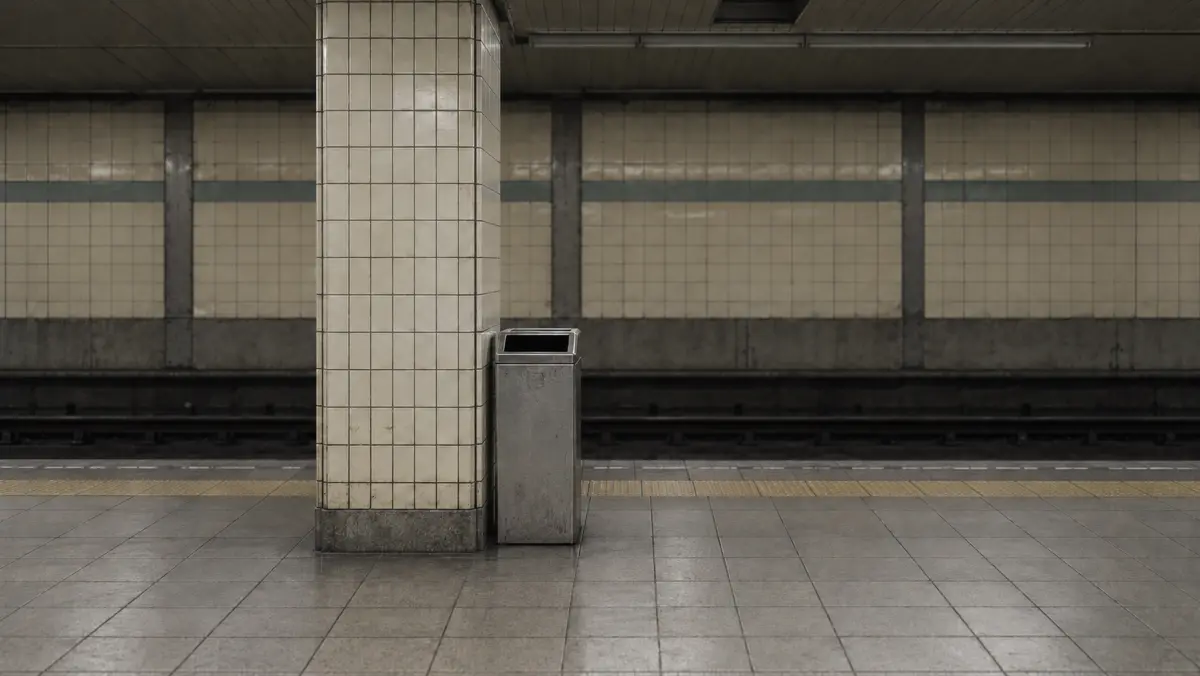
Many of the bins were taken away on purpose. In March 1995, a cult released sarin gas on the Tokyo subway. The next day, the subway operator removed the trash cans from its stations. They came back two years later, fewer and closer to the staff. After the train bombings in Madrid and London, some station bins went again, and came back in see-through designs. In January 2022, Tokyo Metro removed its station bins once more. Only the recycling boxes beside the vending machines stayed.
Visitors Carry It Home
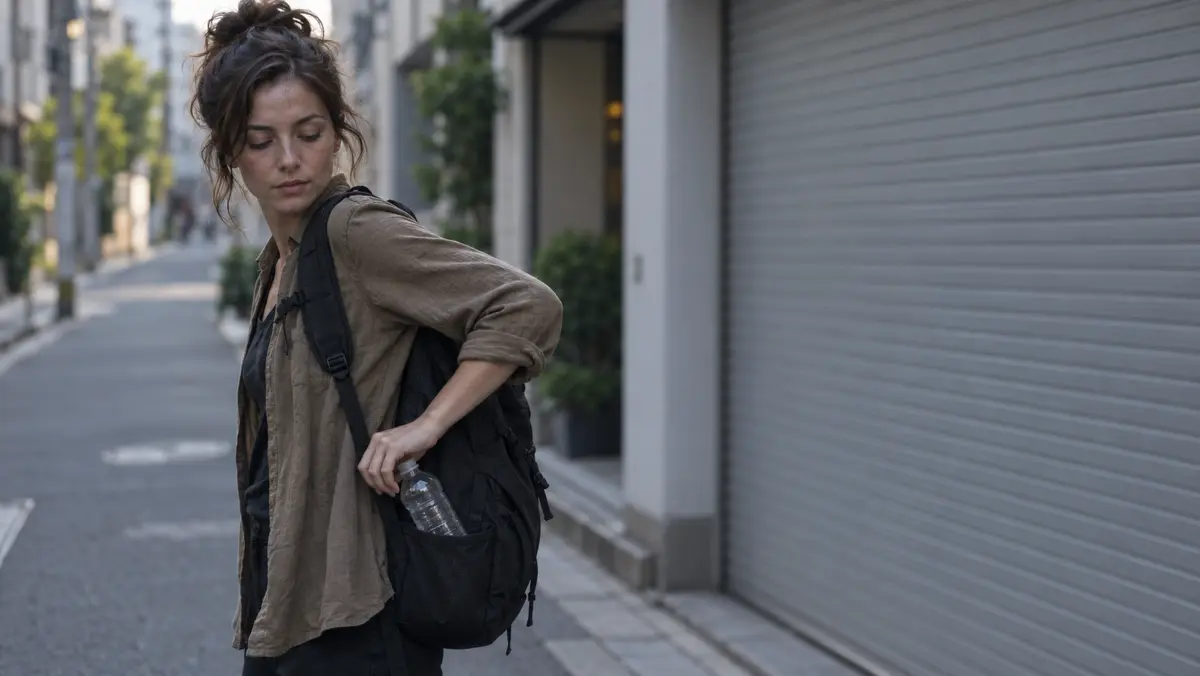
So what did visitors do? In a survey published in 2025, more than seven in ten of those who struggled to find a bin said they simply gave up, and carried their trash with them. Without meaning to, they had learned the local habit. If the bins could disappear and the streets stay clean, the bins were never the whole answer.
Trash That Never Reaches the Street
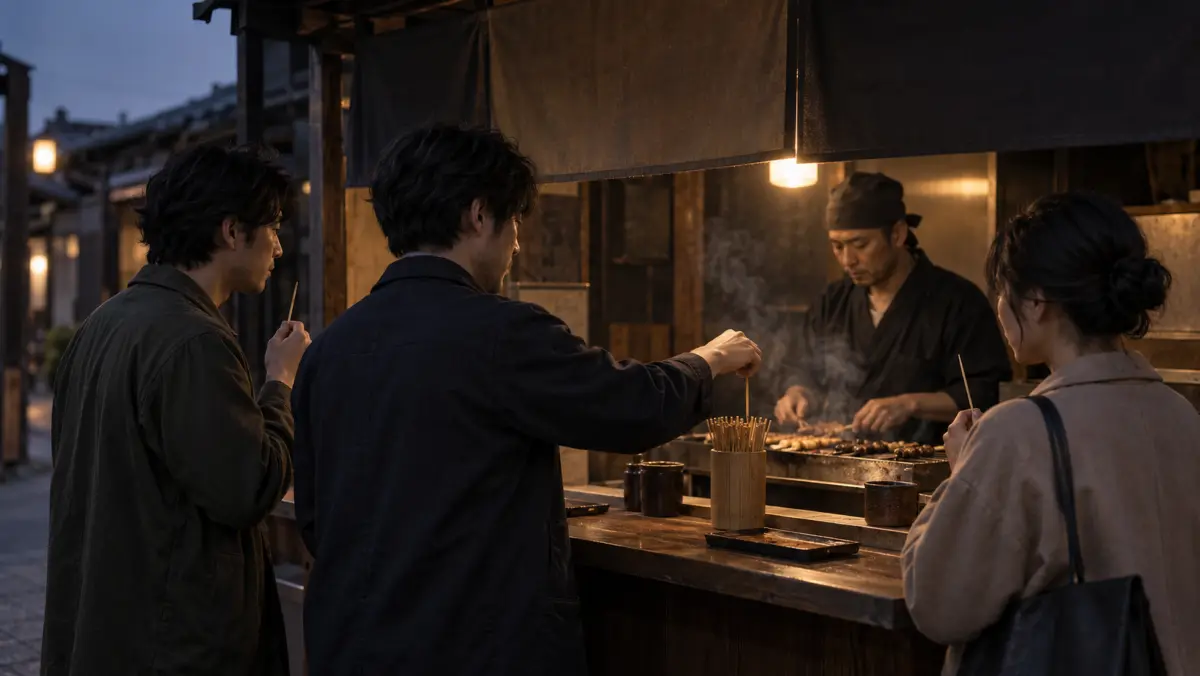
A lot of trash never reaches the street in the first place. Eating while walking has often been seen as poor manners in Japan, and many people still eat where they bought the food, or wait until they get home. Recycling boxes often stand beside vending machines, and many people finish the drink right there. Some busy tourist towns now ask visitors, politely, not to eat as they stroll.
The Birthplace of "Carry It Home"
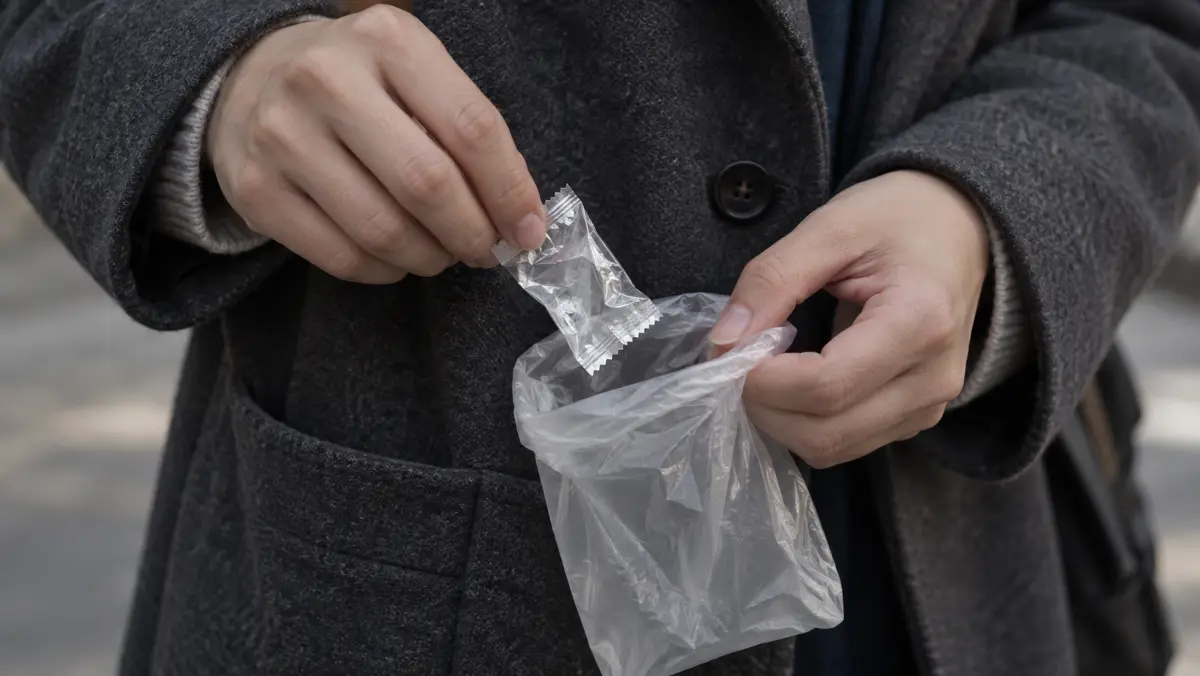
The second habit is simpler. You carry it home. Many people keep a small plastic bag in a pocket for exactly this. On mountains and beaches, signs ask hikers to take their trash back with them. Oze, a high marshland north of Tokyo, is often called its birthplace. In 1972, a campaign began there asking every visitor to carry out their own trash. It spread to national parks across the country.
No Bins on Purpose
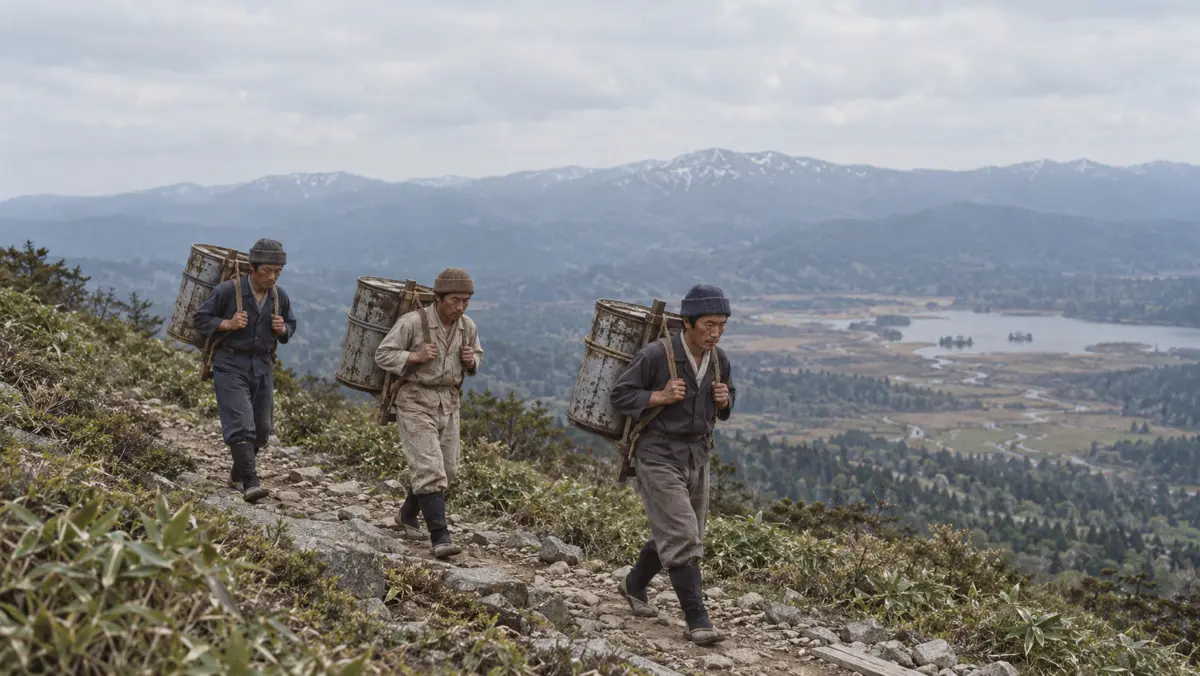
Oze went further. Around the same time, more than fourteen hundred trash cans were taken out of the area. The thinking was simple. A bin invites people to leave trash. Without one, the hope was, people would carry their trash home. Today, Oze still has no public trash cans. In Japan, the missing bin is not always a problem. Sometimes it is the plan.
Students Who Clean Their Schools
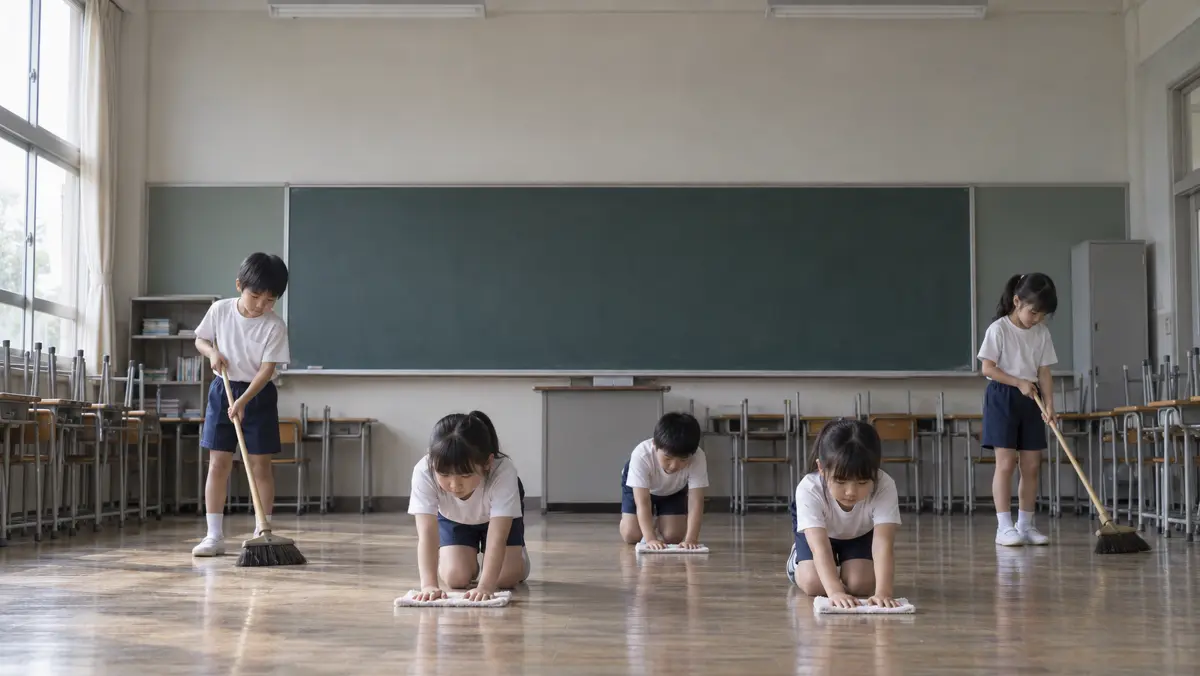
In many Japanese schools, the students clean their own classrooms. At the end of the day, they sweep the floors, wipe the corridors on their knees, and often clean the toilets too, in small teams, from the age of six. Cleaning together does not end at school. Shopkeepers sweep the pavement in front of their doors each morning, and neighborhoods hold cleanups on weekend mornings.
The Spotless Dressing Room
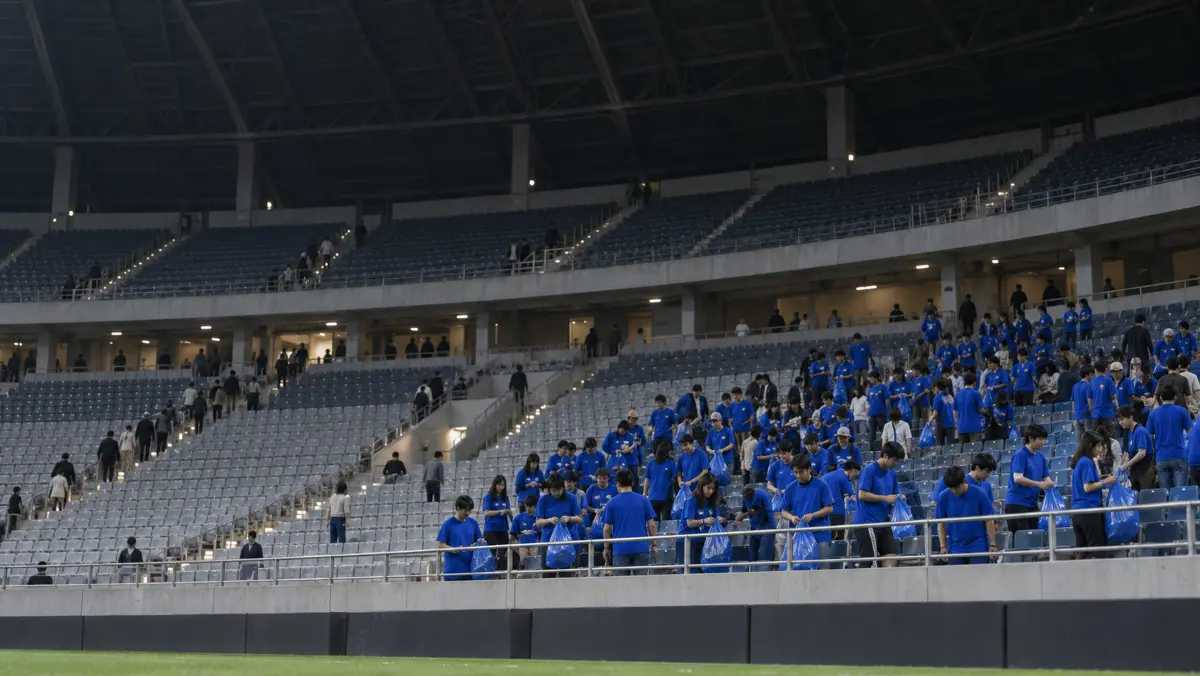
The rest of the world noticed at football's World Cup. At tournament after tournament, Japanese fans stayed behind after the final whistle, walking the rows with blue plastic bags, picking up other people's cups. In 2018 in Russia, Japan lost a painful match to Belgium. The team's dressing room was left spotless, with a thank-you note on the table. They lost the game. They won the dressing room.
Edo, the Recycling City
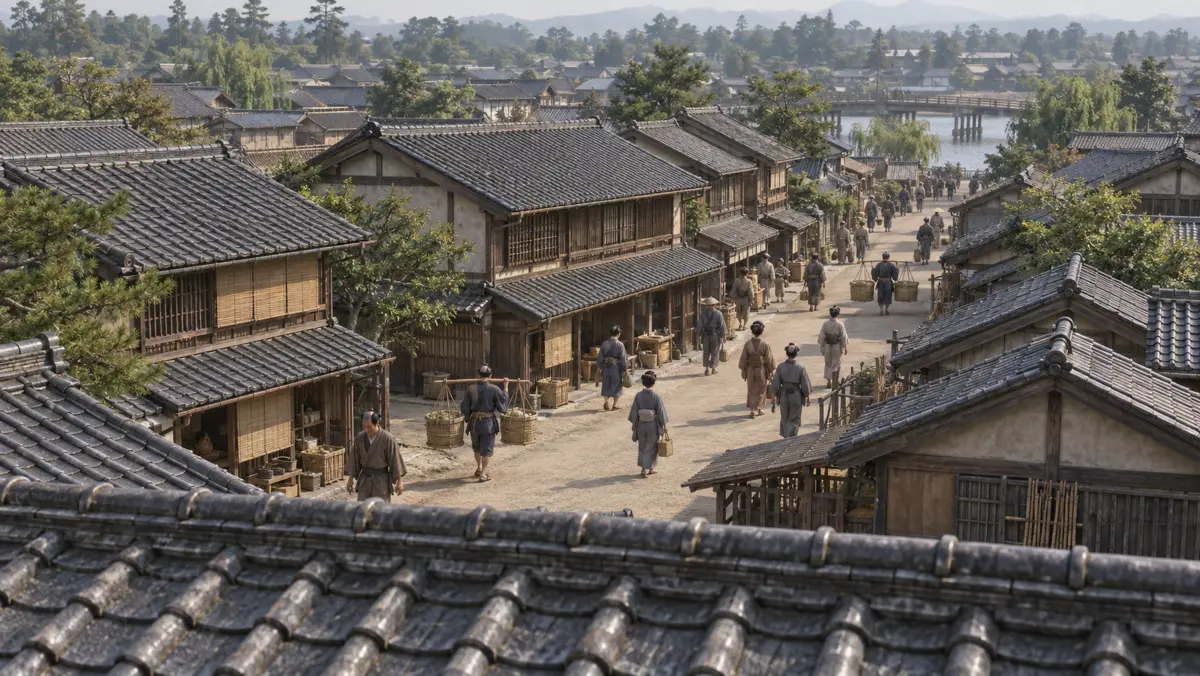
None of this is new. Edo, the old Tokyo, was one of the largest cities on earth, and it had a deep habit of reuse. Peddlers bought used paper, old clothes and broken umbrellas to be mended and sold again. Even the ash from a kitchen stove had a buyer, as fertilizer. In Edo, trash was not something to hide in a bin. It was something someone could use.
Forty Kinds of Trash
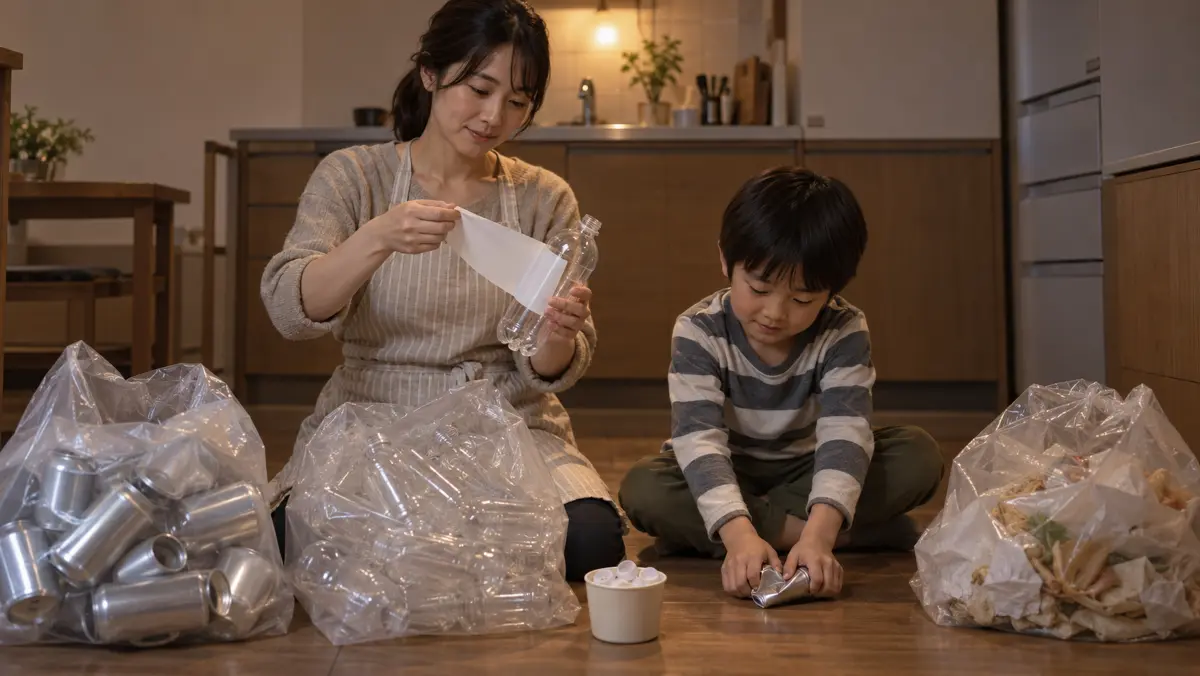
Today that care runs through a system. Japanese households sort their trash into categories, and put each kind out only on its own collection day. In one small mountain town, Kamikatsu, residents sort into more than forty categories. There, even a coffee cup takes some thought. Public bins can work against that system. Household trash sometimes ends up in them, unsorted, adding to the cost of collection. That has made some local governments wary of adding more.
When the System Breaks
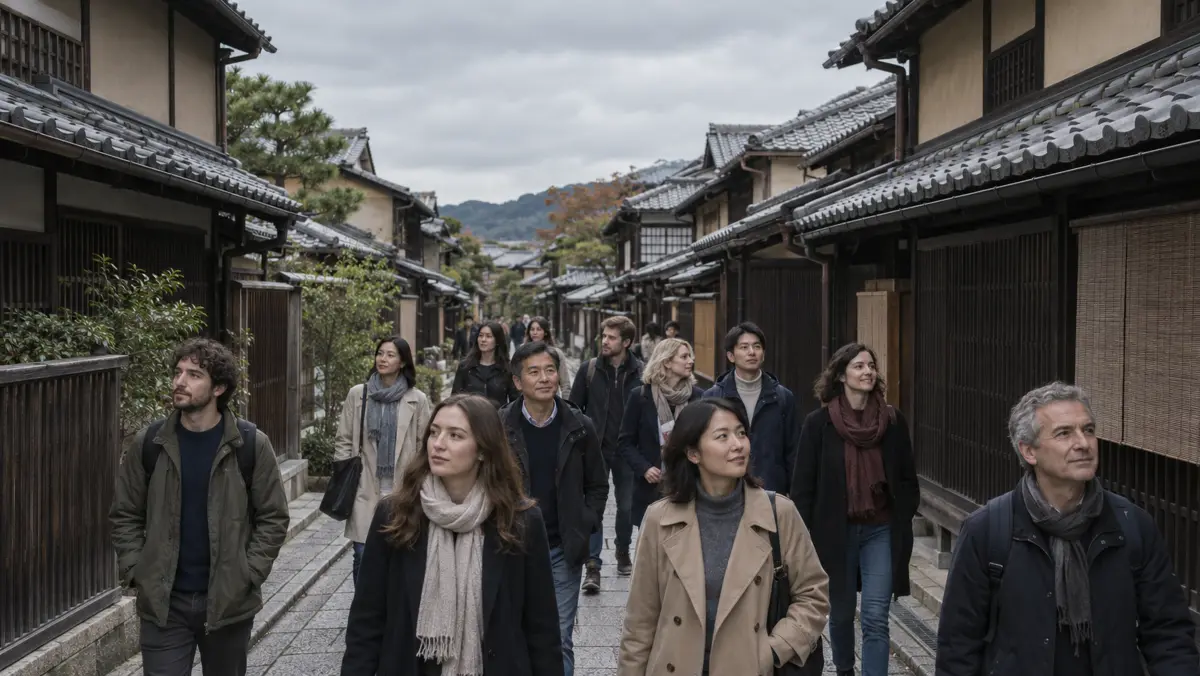
But the system has limits. In 2024, Japan welcomed nearly thirty-seven million foreign visitors, a record. Some streets now struggle. After some Halloween nights in Shibuya, the streets have been left littered with cans and bottles. Since October 2024, drinking in the streets and parks around Shibuya Station has been banned from six in the evening until five the next morning. Japan is clean because people keep it clean. When they stop, it shows.
The Bins Come Back
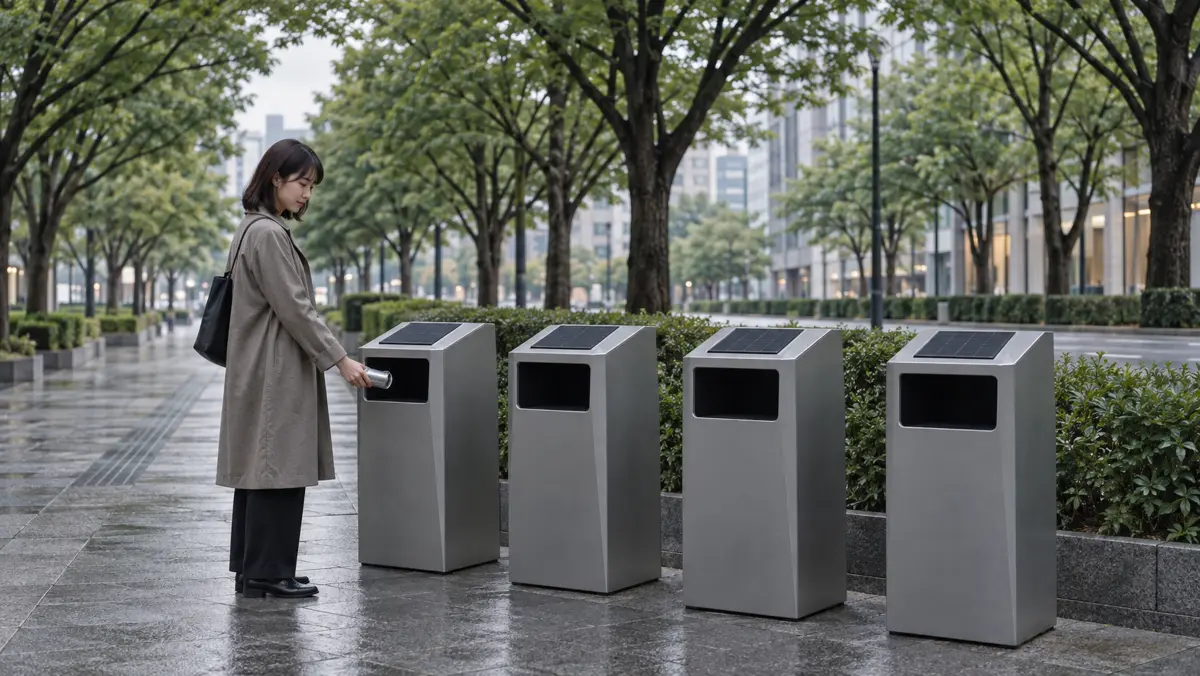
So the bins are returning, in new shapes. In 2020, thirty-four solar-powered bins went in along Omotesando in Tokyo, bins that crush the trash and report when they are full. Kyoto has added them on busy streets. In 2025, a station in Matsumoto installed ten, under a tourism agency program to ease overtourism. One bin at a time, Japan is deciding how many it really needs.
If you visit
Where to put your trash in Japan
Until then, if you are visiting, a few things help. Keep a small bag in your pocket for wrappers. The boxes beside vending machines take cans and bottles only, nothing else. Many convenience stores keep a bin, usually meant for what you bought there. Some train stations still have them. Anything else goes back to your hotel with you.
Where to see it
- Oze National Park — A high marshland with no public trash cans at all — the birthplace of “carry your trash home.” Google Maps
- Omotesando, Tokyo — Solar-powered bins that crush trash and report when they are full (installed 2020). Google Maps
- Kamikatsu, Tokushima — A small mountain town where residents sort trash into more than forty categories. Google Maps
- Shibuya Station area, Tokyo — Street drinking is banned around the station from 6 p.m. to 5 a.m. (since October 2024). Google Maps
Enjoyed the story? Sophie answers a new question about Japan every few days on YouTube.
Subscribe on YouTube
